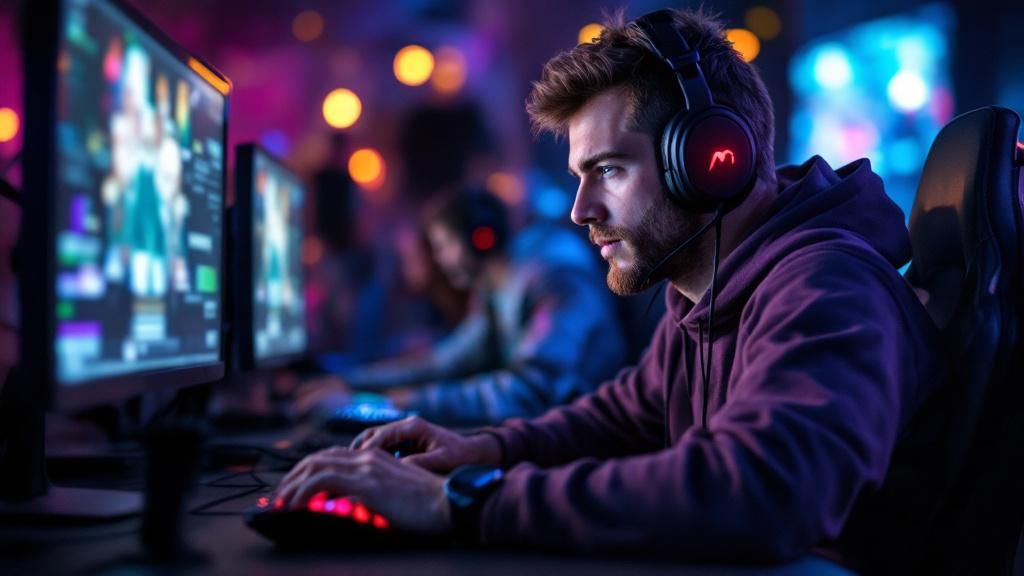

The dynamic esports industry is undergoing a major transformation. Once dismissed as purely leisure-based, professional gaming now rivals traditional sports in competitiveness and psychological demands. Understanding the growing pressure on professional athletes—from gruelling training schedules to high-stakes tournaments—prominent esports bodies are now emphasising mental health support. This article investigates how teams are introducing counselling services, performance psychologists, and wellness programmes to preserve their players’ wellbeing, marking a significant turning point towards a more sustainable esports landscape.
The Growth of Psychological Wellbeing Recognition in Esports
The esports industry has undergone a notable cultural shift in recent years, with mental health becoming a critical concern amongst professional players and organisations alike. Previously overlooked or marginalised, psychological wellbeing is now considered integral to competitive performance. Elite players experience unprecedented pressure—rigorous training schedules, unrelenting tournament schedules, and considerable financial stakes establish conditions where mental resilience is as crucial as mechanical skill. This increased awareness reflects broader social conversations surrounding mental health, alongside mounting evidence that mental health support directly improves performance and longevity in professional gaming.
Leading esports franchises are tackling this awareness by establishing comprehensive mental health initiatives. Teams now employ qualified mental health professionals, counsellors, and health coordinators working with their coaching staff. These professionals address problems such as performance pressure and fatigue to psychological difficulties and isolation—challenges distinctly widespread within the esports ecosystem. By promoting discussion of mental health and delivering accessible mental health support, organisations are creating a benchmark that competitive success needn’t come at the expense of psychological wellbeing, significantly redefining professional gaming culture.
Rolling out Holistic Psychological Support Programmes
Leading esports organisations are creating structured mental health frameworks that reflect those seen in traditional professional sports. These programmes typically include access to licensed psychologists, counsellors, and mental health practitioners who specialise in performance anxiety, burnout, and stress management. Teams are investing in regular wellness assessments, confidential support sessions, and crisis intervention protocols. By integrating mental health services directly into their organisational structure, clubs exhibit a genuine commitment to player wellbeing whilst simultaneously boosting team performance and competitive longevity.
The establishment of these programmes goes beyond individual counselling sessions. Many organisations now provide comprehensive wellness programmes covering sleep optimisation, nutrition guidance, mindfulness training, and work-life balance strategies. Team psychologists work closely with coaching staff to recognise at-risk players and deliver proactive interventions. Furthermore, several clubs have created peer support systems and created safe spaces where players can discuss mental health concerns without stigma. This comprehensive approach recognises that sustainable competitive success requires addressing the psychological foundations underpinning elite performance.
Advantages of Extended Influence on Player Performance
Mental health assistance has substantially boosted player performance across professional esports teams. Players receiving psychological counselling report improved focus, improved decision-making under pressure, and enhanced emotional resilience during competitive events. Teams adopting mental health programmes have recorded notable improvements in tournament results and player consistency. Furthermore, athletes supported by sports psychologists develop enhanced coping mechanisms for dealing with stress and performance anxiety. These interventions directly correlate with improved gameplay standards and ongoing competitive success throughout extended seasons.
Beyond direct competitive gains, extensive psychological support programmes foster long-term player longevity and professional longevity. Professional esports careers are notoriously brief, often lasting only five to ten years due to mental fatigue and stress-related decline. Mental health support lengthens professional tenure by preventing chronic stress-related conditions and promoting sustainable training practices. Players benefiting from continuous mental health provision show improved work-life balance, lower exhaustion levels, and greater job satisfaction. Consequently, organisations gain advantages through keeping seasoned players, maintaining team cohesion, and preserving institutional knowledge that strengthens competitive advantage over extended periods.
The adoption of psychological assistance within esports produces significant cultural changes benefiting the entire industry. Young up-and-coming players now understand that obtaining professional mental care constitutes strength rather than weakness, significantly altering views regarding mental fitness. This cultural evolution promotes forward-thinking mental care approaches, early intervention, and proactive health measures. As professional esports develops, organisations prioritising comprehensive player welfare establish themselves as industry leaders, drawing elite players and fostering stronger and longer-lasting competitive settings that ultimately enhance the whole esports sector.
